

Medtronic MiniMed pump supplies include the essential infusion sets and reservoirs you need for consistent insulin delivery and reliable daily diabetes management.
Infusion Sets
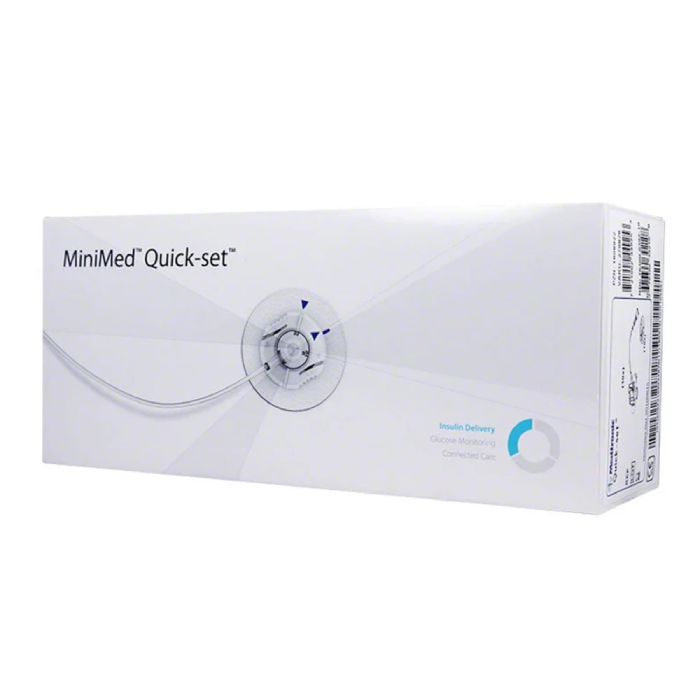
Quick-set
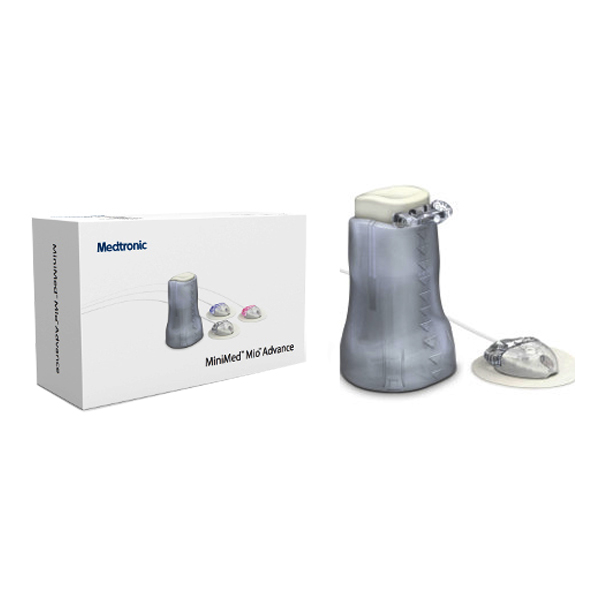
Mio
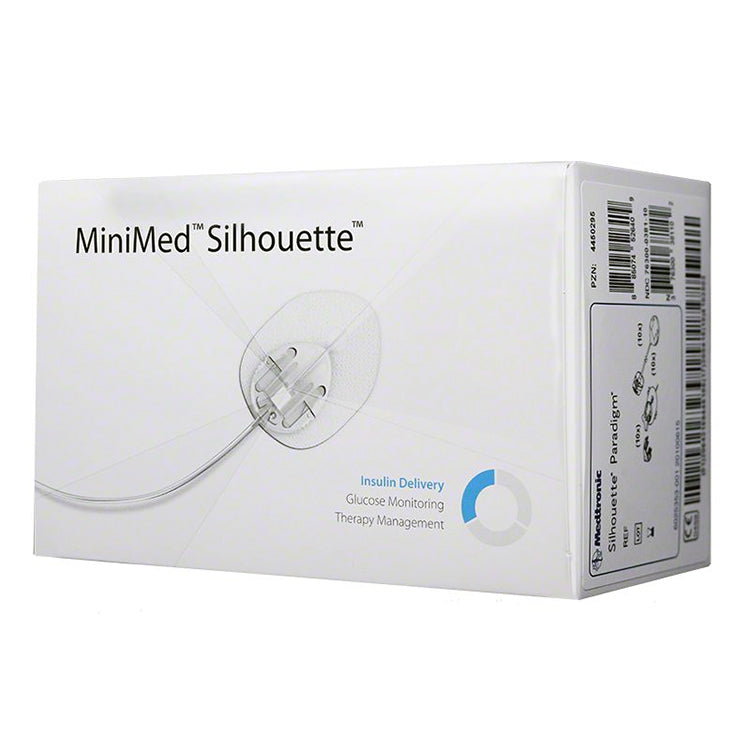
Silhouette
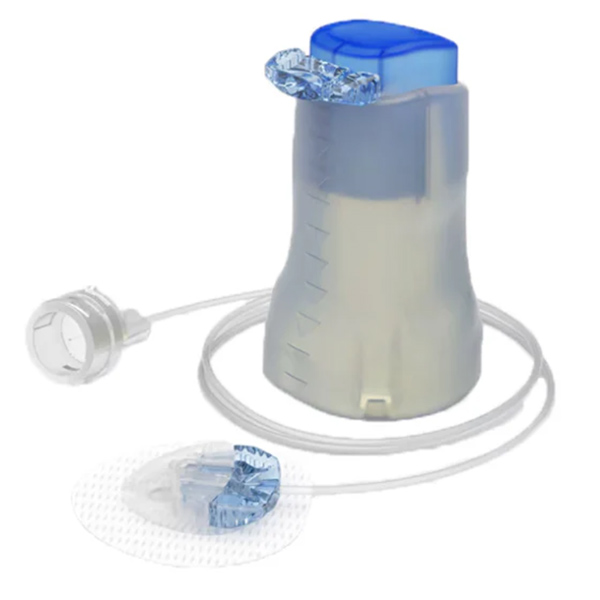
Extended (up to 7-day wear)
Reservoirs
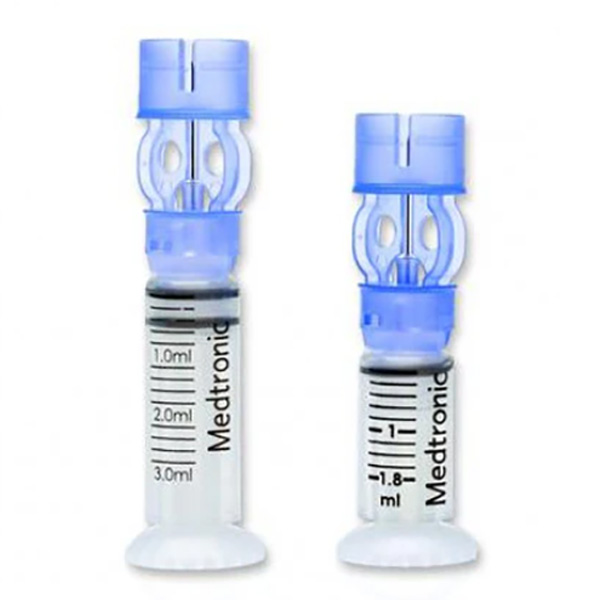
MiniMed reservoirs
Extended reservoirs
Accessories
Frequently Asked Questions
Common supplies include a compatible infusion set, insulin reservoir, insulin prescribed by your provider, insertion device if needed, skin prep or adhesive support products, alcohol wipes, and a sharps container. Some users may also need CGM sensors, transmitters, or charging accessories depending on their MiniMed system.
Many standard MiniMed infusion sets are changed every 2 to 3 days. The Medtronic Extended infusion set may be used for up to 7 days when used as directed.
An infusion set generally includes a cannula or needle, adhesive patch, connector, and tubing that delivers insulin from the pump to the infusion site. Some sets include an all-in-one insertion device, while others may require a separate inserter.
The right infusion set depends on your pump model, body type, activity level, insertion preference, cannula material, cannula length, tubing length, and whether you prefer an angled or 90-degree insertion. Your diabetes care team can help determine which option fits your needs.
A shorter cannula may be helpful for children, lean adults, or people with less tissue at their infusion sites. It may also be preferred for areas where a longer cannula feels uncomfortable.
A longer cannula may be helpful for people with more tissue at their infusion sites or those who have had issues with shorter cannulas not delivering insulin consistently. Your provider can help decide if a longer cannula is appropriate.
Standard MiniMed reservoirs are typically replaced within 3 days of use. Extended reservoirs used with the Extended infusion set may be used for up to 7 days when used as directed.
No. MiniMed reservoirs are single-use supplies and should not be reused. Reusing a reservoir can increase the risk of contamination, inaccurate delivery, or pump issues.
A MiniMed reservoir is filled by drawing the prescribed insulin from a vial into the reservoir, removing air bubbles, connecting the reservoir to the infusion set tubing, and loading it into the pump according to the pump’s instructions. Always follow the user guide for your specific MiniMed pump model.
Clean and dry the skin thoroughly before applying the infusion set, rotate sites regularly, and avoid applying adhesive to irritated skin. Barrier wipes or adhesive support products may help, but check with your provider before using products that could affect adhesion or skin health.
Replace the infusion set if it becomes loose, dislodged, or no longer feels secure. Check your blood sugar as directed, and follow your care plan if you suspect insulin delivery was interrupted.
Mild tenderness can occur after insertion, but sharp pain, swelling, redness, warmth, bleeding, or worsening discomfort may indicate that the site should be changed. Contact your healthcare provider if pain is persistent or there are signs of infection.
Signs may include unexplained high blood sugar, pump delivery alerts, leaking insulin, pain, redness, swelling, or the smell of insulin near the site. If you suspect a problem, change the infusion set and follow your diabetes care plan.
Many users can shower while wearing the infusion set, but the pump itself may need to be disconnected depending on the model and instructions. Always follow the water exposure guidance for your specific MiniMed pump.
Store pump supplies in a clean, dry place at room temp, away from excess heat, moisture, and direct sunlight. Keep supplies sealed until use to help maintain sterility.
Pack extra infusion sets, reservoirs, insulin, batteries or charging supplies, CGM supplies if used, alcohol wipes, adhesive products, syringes or backup insulin delivery supplies, a meter, test strips, and a sharps container or disposal option. It is best to keep essential diabetes supplies in your carry-on bag when flying.
Many users keep at least several extra infusion sets available in case of site issues, accidental dislodging, travel delays, or damaged supplies. Your healthcare provider or supplier can help you estimate how many to keep based on your change schedule.
Reorder before your current supply runs low, often when you have at least 1 to 2 weeks of supplies remaining. Your reorder schedule may depend on your prescription, insurance coverage, and how often your infusion sets and reservoirs are changed.
Get Started Today
Take control of your diabetes with accurate, real-time glucose monitoring. Call today or request your CGM supplies online.