7 Natural Ways to Activate GLP-1 for Weight Loss

1. Berberine: Nature's metabolic activator


If there's one natural compound that deserves attention for GLP-1 activation, it's berberine. This plant alkaloid has been used in traditional Chinese medicine for centuries, and modern science is finally catching up. Research published in 2024 demonstrated that berberine metabolites significantly increased GLP-1 production and secretion in intestinal L-cells while also protecting these cells from oxidative stress and inflammation.


What makes berberine particularly compelling is its multiple mechanisms of action. According to studies in BMC Complementary Medicine, berberine moderates glucose metabolism through the GLP-1 pathway in the intestine while also activating AMPK, often called the body's "metabolic master switch." A meta-analysis of 37 studies found berberine could reduce fasting blood glucose and HbA1c levels comparably to conventional diabetes medications.


Typical dosages in research range from 500 to 1,500 mg daily, usually divided into two to three doses taken with meals to minimize potential digestive discomfort.

2. Prioritize protein at every meal


One of the most straightforward ways to naturally boost GLP-1 is increasing your protein intake. Research in endocrinology journals shows that high-protein meals stimulate significantly greater GLP-1 secretion compared to high-carbohydrate or high-fat meals, with levels remaining elevated throughout the post-meal period.


The mechanism is elegant: when proteins break down into amino acids in your digestive tract, they directly stimulate the L-cells that produce GLP-1. Studies published in Advances in Nutrition found that specific amino acids like phenylalanine, arginine, and glutamine are particularly potent GLP-1 triggers.


Focus on high-quality protein sources: grass fed beef, wild-caught fish like salmon, pastured eggs, and organic poultry. These whole-food proteins provide the amino acids your body needs for GLP-1 production, along with essential nutrients often lacking in processed protein alternatives.

3. Embrace fermented foods and probiotics 


Your gut microbiome plays a crucial role in GLP-1 production, and fermented foods are key to optimizing this system. Research in the International Journal of Endocrinology demonstrates that probiotics can increase plasma GLP-1 concentrations while simultaneously decreasing postprandial blood glucose levels.


The mechanism involves short-chain fatty acids (SCFAs) produced when beneficial gut bacteria ferment fiber. These SCFAs interact with specific receptors on intestinal L-cells, triggering GLP-1 release. A study published in Nutrition & Diabetes found that berberine's ability to restore GLP-1 secretion was closely linked to its effects on the gut microbiome.


Incorporate traditional fermented foods into your daily routine: sauerkraut, kimchi, kefir, and naturally fermented pickles. These provide diverse strains of beneficial bacteria that work synergistically to support metabolic health and GLP-1 production.

4. Consider healthy fats


Despite decades of low-fat dogma, research shows certain fats are powerful GLP-1 activators. The key is choosing the right types. According to research on GLP-1 regulation, fatty acids trigger GLP-1 secretion from intestinal L-cells, but quality matters enormously.


Monounsaturated fats from sources like avocados, olive oil, and nuts stimulate GLP-1 release more effectively than saturated fats.

Omega-3 fatty acids from wild-caught fish are particularly beneficial, supporting both GLP-1 function and reducing the inflammation that can impair metabolic signaling.


Medium-chain triglycerides (MCTs) from coconut oil deserve special mention. They're rapidly absorbed and converted to ketones, which may enhance GLP-1 receptor sensitivity while providing clean-burning fuel for your brain and body.

5. Increase your fiber intake


Soluble fiber is one of the most underappreciated tools for natural GLP-1 enhancement. A landmark study in the Journal of Nutrition found that fermentable dietary fiber increased GLP-1 secretion while improving glucose homeostasis in healthy subjects.


The mechanism is twofold: fiber slows digestion, leading to more gradual glucose release that triggers sustained GLP-1 secretion, while gut bacteria ferment fiber into SCFAs that directly stimulate L-cells. Research published in Frontiers in Endocrinology demonstrated that removing fiber from the diet dramatically decreased intestinal GLP-1 content.


Excellent sources include chia seeds, flaxseeds, vegetables like Brussels sprouts and broccoli, legumes, and resistant starches from cooked-and-cooled potatoes or rice. Aim for 30 to 40 grams of fiber daily from whole food sources.

6. Practice time-restricted eating


Intermittent fasting has emerged as a powerful tool for enhancing metabolic health, partly through its effects on GLP-1. Research published in Life Sciences found that intermittent fasting significantly increased intestinal GLP-1 expression while reducing oxidative stress and inflammation.


The benefits extend beyond GLP-1 production. Studies show fasting enhances insulin sensitivity, promotes cellular cleanup through autophagy, and may increase GLP-1 receptor sensitivity. A randomized controlled trial found that time-restricted eating with a 14-hour overnight fast led to significant weight loss and improved fasting glucose levels.


Start with a 12-hour overnight fast (finishing dinner by 7 p.m. and not eating until 7 a.m.) and gradually extend to 14 to 16 hours as your body adapts. This approach aligns with your natural circadian rhythms while giving your digestive system adequate rest.

7. Move your body regularly


Exercise is one of the most effective natural GLP-1 boosters available. Research published in Regulatory Peptides found that both acute exercise and short-term endurance training significantly increased GLP-1 secretion in mice, with exercise promoting skeletal muscle remodeling through the GLP-1R/AMPK pathway.


Human studies confirm these benefits. A randomized controlled trial published in Obesity demonstrated that a one-year exercise program following weight loss increased postprandial GLP-1 secretion, while those using only medication showed no such improvement. Research in the journal Endocrinology found that habitual physical activity was associated with greater glucose-induced GLP-1 responses in overweight individuals.


The exercise prescription doesn't need to be extreme. Aim for 150 minutes of moderate-intensity activity weekly, including both aerobic exercise (walking, cycling, swimming) and resistance training. High-intensity interval training (HIIT) appears particularly effective, but consistency matters more than intensity.

Putting Your Natural GLP-1 Plan Together
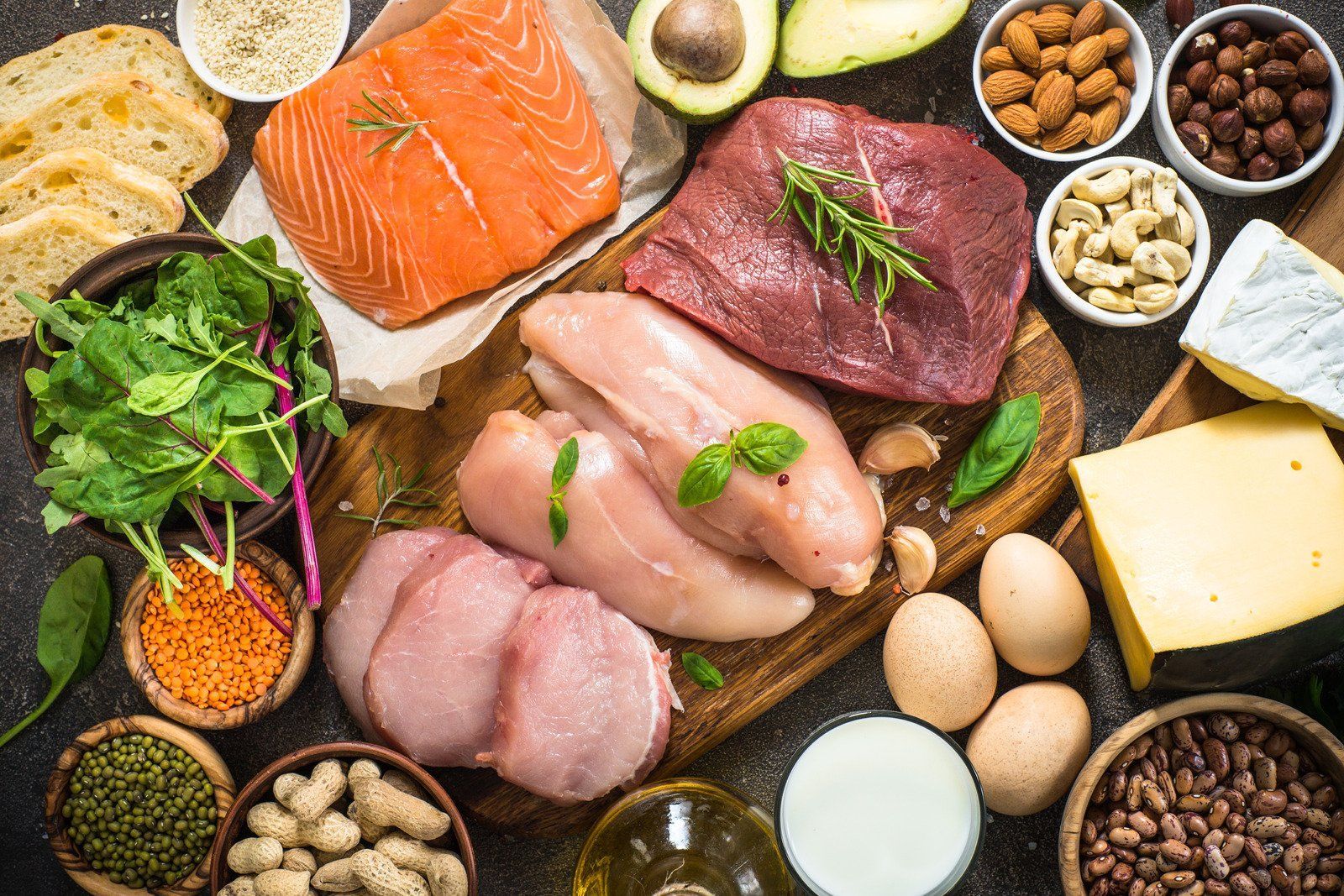
Assortment of high-protein foods: salmon, steak, chicken, eggs, nuts, cheese, lentils, and vegetables.

The beauty of these natural approaches is their synergistic effect. When you combine protein-rich meals with fermented foods, healthy fats, and abundant fiber, you create an optimal environment for GLP-1 production. Add time-restricted eating and regular exercise, and you're supporting not just GLP-1, but your entire metabolic system.


Start gradually. Choose 2 to 3 strategies that feel most manageable and build from there. Perhaps you begin by adding a serving of fermented vegetables to lunch, increasing your protein intake at breakfast, and committing to a 30-minute daily walk. As these become habits, layer in additional strategies.


Unlike pharmaceutical GLP-1 agonists that require ongoing prescriptions and medical monitoring, these natural approaches become part of your lifestyle. There's no rebound weight gain when you "stop" because you're not stopping — you're living in alignment with your body's innate wisdom.


Consider working with a functional medicine practitioner who can help tailor these strategies to your individual needs, monitor your progress, and address any underlying metabolic issues. They can also recommend quality supplements like berberine if appropriate for your situation.


Important Note: While these natural approaches to increasing GLP-1 are generally safe, always consult with a qualified healthcare provider before making significant dietary or lifestyle changes, especially if you have existing health conditions or take medications.

The Path Forward for GLP-1 Is Natural and Sustainable

The pharmaceutical approach to weight loss offers a seductive promise: inject a drug and watch the pounds melt away. But this shortcut comes with a price — not just thousands of dollars per year, but also potential health consequences and the dependency it creates.


Your body possesses remarkable intelligence. It knows how to produce GLP-1, regulate appetite, and maintain healthy weight — when given the right support. By focusing on natural GLP-1 alternatives through whole foods, beneficial bacteria, strategic eating patterns, and regular movement, you're working with your body's innate systems rather than overriding them with synthetic hormones.


The results may come more gradually than with Ozempic or Wegovy, but they're sustainable. You're building health from the ground up, addressing root causes rather than just suppressing symptoms. You're learning to nourish your body in ways that serve you for life, not just until the next injection.


Most importantly, you're reclaiming autonomy over your health. You're not dependent on pharmaceutical companies or insurance approvals. The power to activate your body's natural GLP-1 production and achieve sustainable weight loss is in your hands — or rather, on your plate and in your daily habits. Start today with one simple change. Your body will thank you.

An advertisement for eddy care says need to see an endo ? see one from the comfort of your home !

Healthy Bites

By Paul Heltzel September 16, 2025
Key takeaways: Exercise at a steady pace for short periods can help reduce blood sugar. Avoid intense or vigorous exercise with hyperglycemia, as it can make blood sugar spike higher. You can make simple modifications to exercises to increase safety and still help lower blood sugar levels.
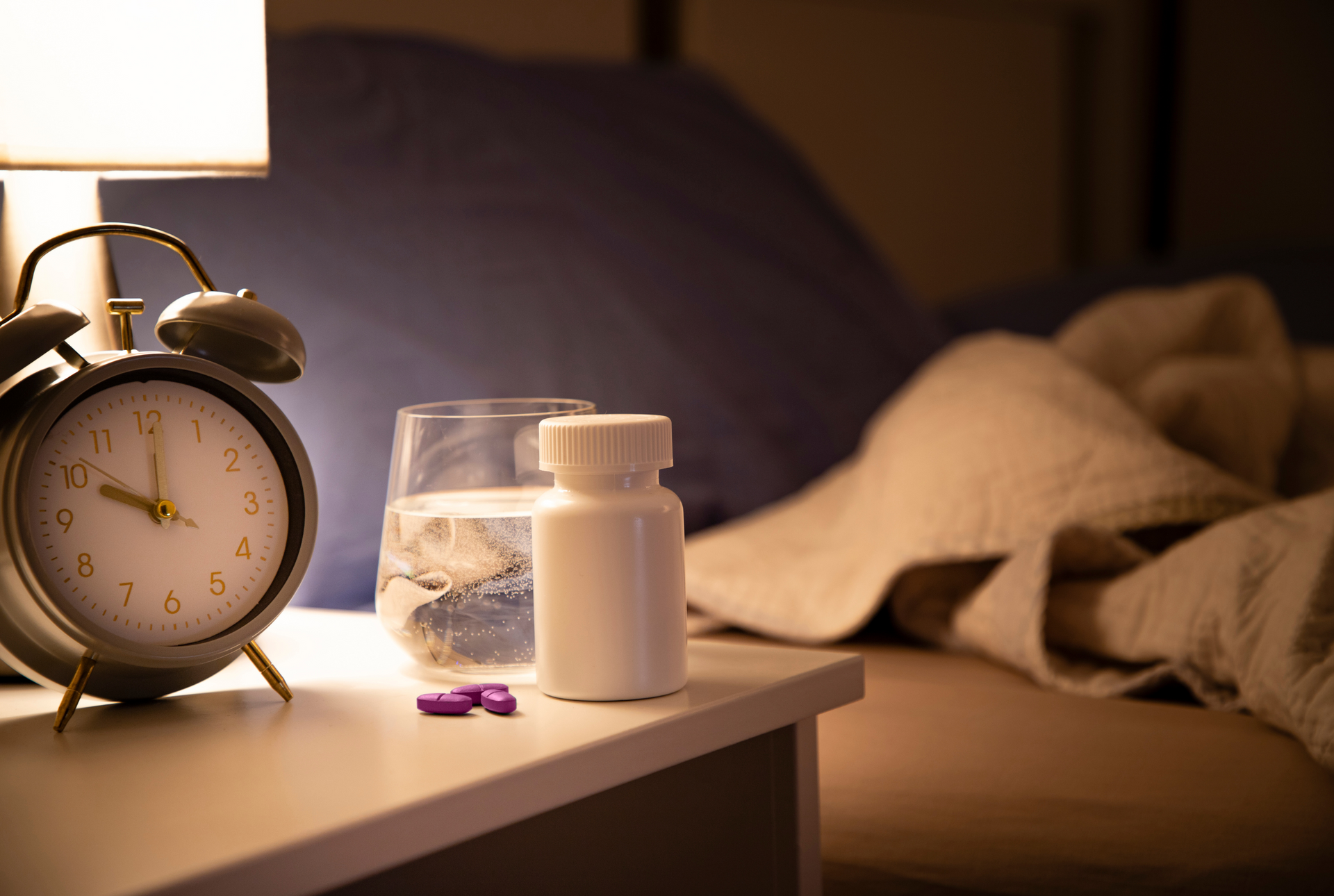
Alarm clock, pills, water glass, and medicine bottle on a nightstand next to a bed.
September 2, 2025
Managing High Blood Sugar at Night: Tips and Strategies for Better Sleep and Diabetes Control
July 14, 2025
Americans are drinking more sugar than ever before, and it's not just the amount that's fueling today's metabolic crisis. It's the form. When refined sugar is consumed in liquid form, whether in sodas, flavored waters or sports drinks — it bypasses your body's natural defenses. There's no chewing, no fiber, no fullness. Just a rapid flood into your bloodstream that forces your pancreas and liver to respond instantly. This kind of metabolic ambush happens quietly at first, but over time, it rewires how your body handles insulin, stores fat and manages energy. You might assume sugar only becomes a problem if you're overweight. But research now shows that even lean people are at risk when that sugar comes from a bottle or can. The damage starts below the surface, long before you feel symptoms or see changes on a scale. If you're drinking soda daily, or if your children are, this isn't just about empty calories. It's about how those drinks hijack your metabolism, starting with the very first sip. And if you want to protect yourself from insulin resistance and its many downstream effects, understanding how different types of sugar behave in the body is the first step.
A pizza in a pan on a wooden table
May 27, 2025
This is like a cross between an unfussy lasagna and a baked ziti: Cheesy, rich, and deeply satisfying, despite the actual absence of noodles. Even my daughter, who tends to be totally skeptical about “fake vegetable pasta dishes,” loves it. Don’t be daunted by the ribboning of the zucchini with a vegetable peeler: It honestly doesn’t take that long, and the resulting strands are thinner and wider and just generally more noodle-like than what you’d get with a spiralizer. That said, if you want to start with a pound of zoodles, go ahead – just be sure to salt and drain them really well or the resulting dish will be watery. One last thing: If you’d prefer a meat sauce, go ahead and brown a pound of ground beef after you sauté the onions and before you add the tomatoes – and expect the dish to feed more people that way. Makes: 8 servings Total carbohydrates: 15 grams per serving Active Time: 50 minutes Total Time: 1 ½ hours Ingredients 3 medium-sized zucchinis (around 1 pound) 2 teaspoons kosher salt (or 1 teaspoon table salt), divided, plus more as needed ¼ cup olive oil 1 onion, finely chopped 3 cloves garlic, finely chopped (or 1 teaspoon garlic powder) 1 (28-ounce) can tomato purée or crushed tomatoes Black pepper 1 (16-ounce) container whole-milk ricotta ½ cup heavy cream ½ cup grated Parmesan ¼ teaspoon nutmeg 1 pound whole-milk mozzarella, grated, sliced, or diced Instructions
A bouquet of pink and yellow tulips and a happy mother 's day card on a pink background.
By Gestational Type 1 Type 2 May 6, 2025
With Mother’s Day around the corner, now’s the time to find the perfect gift. From foot massagers and Fitbits to diabetes-friendly treats, our gift guide has something for every mom. Looking to show your mom or another MWD (mom with diabetes) how much you appreciate them? Rest easy – diaTribe has hand-picked 12 great diabetes gifts for Mother’s Day. To make sure these presents pass the all-important reality check, we consulted some MWDs in the know, including Jennifer Smith. Working primarily with women as the director of lifestyle and nutrition at Integrated Diabetes Services, Smith has type 1 diabetes and is a mother of two boys. What is her key to nailing a Mother's Day gift for someone with diabetes? “You have to know the person,” said Smith. “And the gift might have nothing to do with diabetes.”  If you want even more selection, check out diaTribe’s roundup of thoughtful gifts for people with diabetes . Or, just get scrolling.
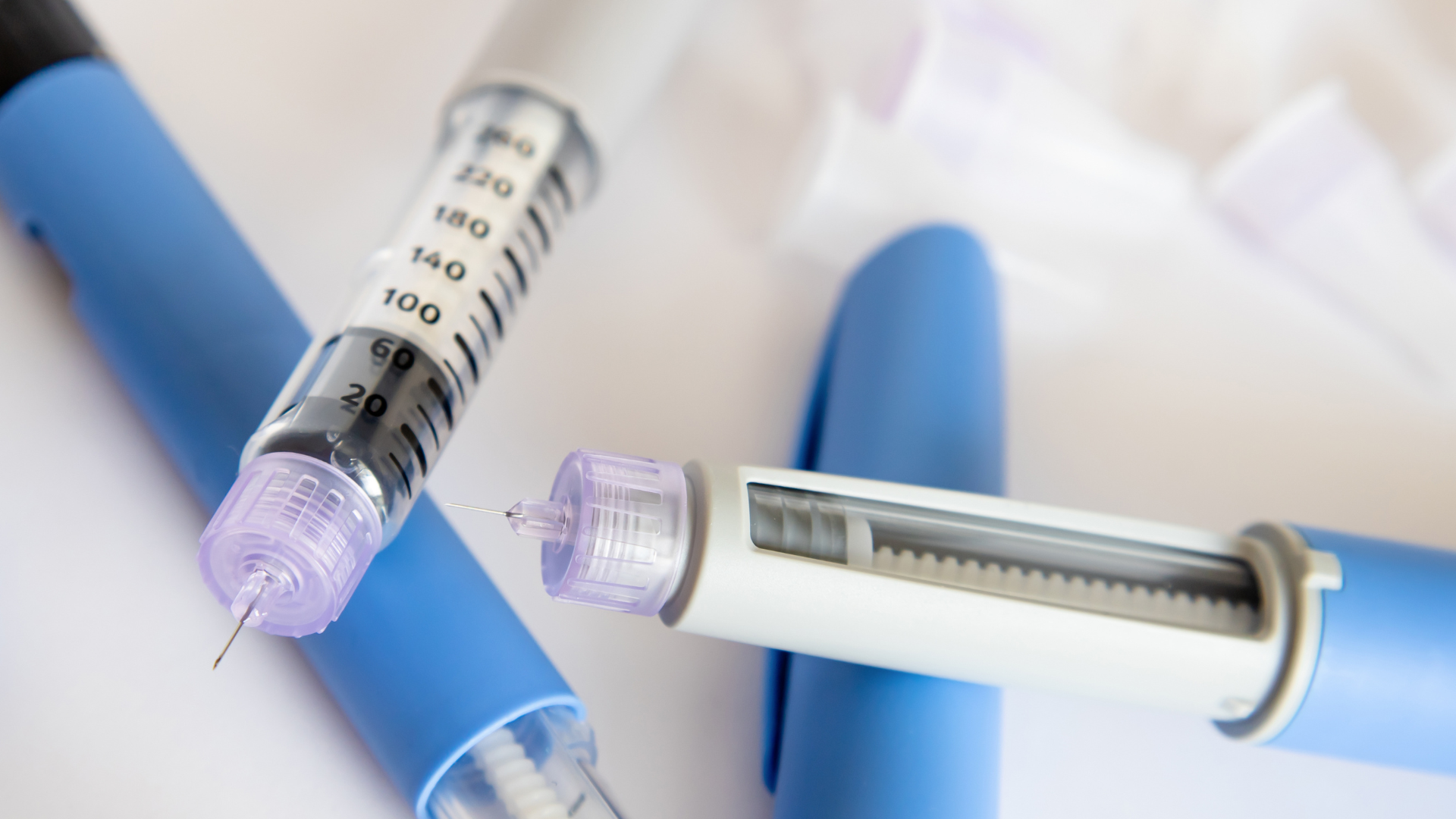
Two insulin pens are sitting next to each other on a table.
By Gestational Type 1 Type 2 April 29, 2025
Whether you use syringes or insulin pens, injections can be a pain – literally. Here are techniques and tips to make injections as seamless as possible. There are many ways to take insulin , including syringes, prefilled pens, or insulin pumps. How you take insulin is highly personal – different people have different dosage needs, timing, and preferences. If you take insulin through injections, it’s important to choose and rotate injection sites properly and follow recommended steps to ensure safety. For the first time since 2016, experts from the Forum for Injection Technique and Therapy Expert Recommendations (FITTER) have updated recommendations on how to inject insulin correctly. Here, we cover the key updates and offer helpful tips to make injections a breeze. 
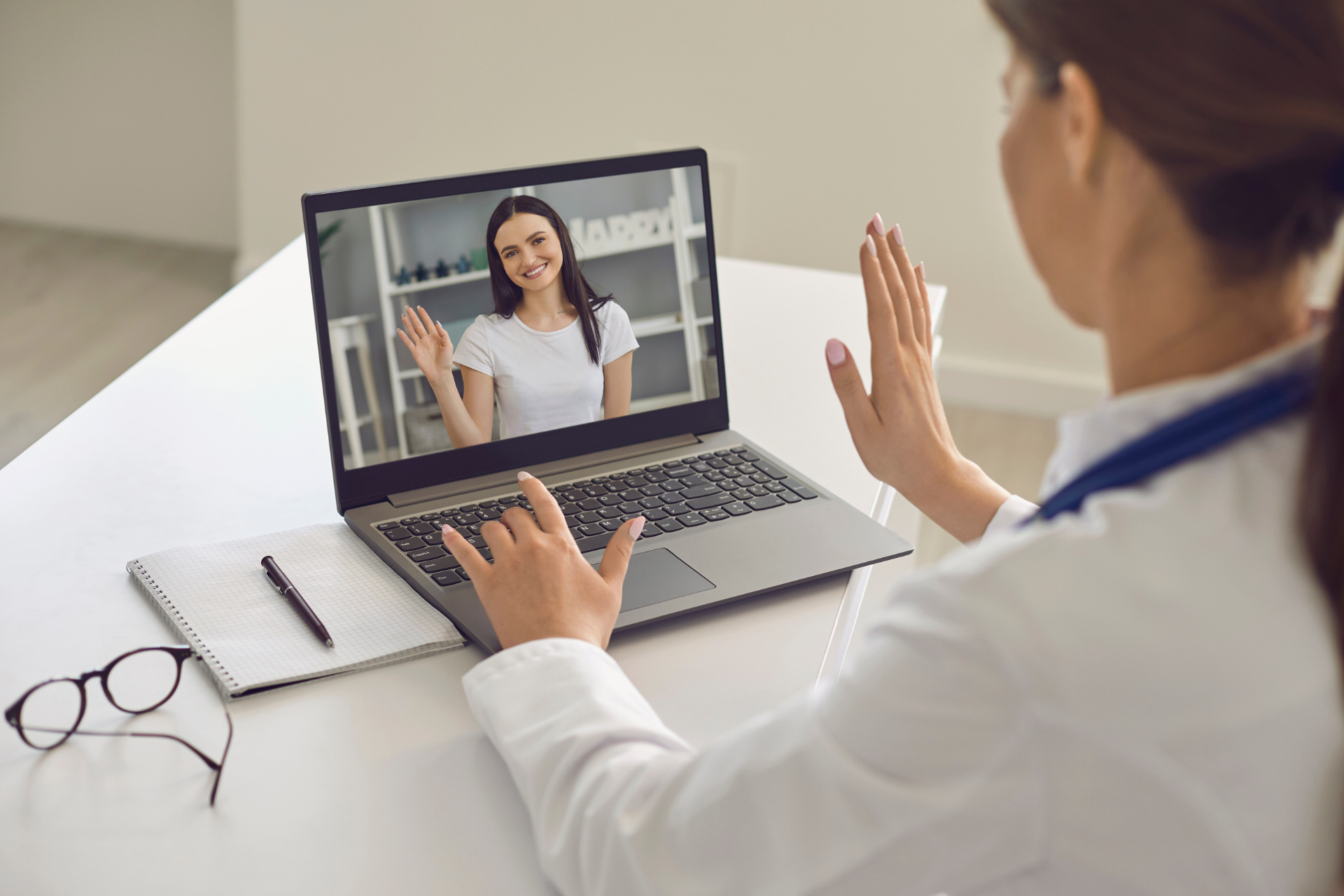
A doctor is having a video call with a patient on a laptop.
April 15, 2025
With so many things happening in the diabetes tech world, it can be hard to keep up. Stay up to date here with the latest diabetes tech news and alerts.
April 10, 2025
Type 2 diabetes, a condition marked by chronically high blood sugar levels, is a leading driver of metabolic disease in America. While conventional medical advice recommends taking medications to control blood sugar levels, this is only a temporary measure at best.  Diabetes is compounded by several factors, and recent research notes that nutritional deficiencies is a commonly overlooked aspect, and that when these deficiencies are addressed, managing and controlling this disease becomes easier.
March 24, 2025
Telemedicine can make diabetes care less expensive and easier to access, but it may not always be a suitable replacement for an in-person visit. Learn what happens during a telehealth visit and see if you could benefit from using telemedicine for your diabetes care. The pandemic upended a lot about life as we knew it. Notably, it was responsible for a 63-fold increase in telehealth visits . For people managing diabetes, however, having a doctor visit over video brings up a host of questions and potential issues. How can a doctor properly check my eyes and feet through a computer screen? Will telehealth replace in-person discussions about my blood sugar? Will I get the same level of care through a computer? According to a 2022 article in American Family Physician , telehealth is promising for diabetes treatment and has been shown to help improve glucose management. In a separate analysis of glucose data from people with type 2 diabetes, people who received remote monitoring of their glucose levels saw significant improvements in A1C over a period of three months. That being said, no study or physician is implying that telehealth fully replaces in-person medical care for diabetes. Here’s what to consider and who might be the best candidates for telediabetes care. What happens during a diabetes telehealth visit? Telediabetes care involves two types of interactions. One is a video meeting with a physician or care team to discuss challenges and potential solutions. During this type of visit, the healthcare provider can see some physical signs or changes, such as rashes or wounds. The second type of interaction is virtual monitoring of glucose levels through a monitoring device that sends data to the care provider. The provider might also follow up with a video call to discuss the data. “Many of the things that are important for diabetes care – blood glucose data review, medication review, insulin teaching – can all happen over video,” said Dr. Varsha Vimalananda, an endocrinologist and associate professor of medicine at Boston University. “CGM data can be uploaded and reviewed remotely, which is also very helpful.” Different providers use different video platforms for telehealth appointments, but most will look and function much like a Zoom call. The benefits of telehealth in diabetes care Not all elements of diabetes care are best suited for telehealth, but many lend themselves naturally to the conversation and convenience that an electronic visit facilitates. For type 2 diabetes in particular, telehealth has been shown to be more effective than in-person care at helping people manage their condition. One reason for the improved outcomes is simply better access to care. Dr. Keta Pandit, an endocrinologist at Texas Diabetes & Endocrinology in Austin, Texas, says continuous glucose monitoring (CGM), along with telehealth options, have changed the landscape of diabetes care. “One of the benefits of being able to offer telemedicine to our patient population is that it has increased the access to care, especially with any ongoing illnesses, hospitalizations, COVID, post-COVID, or any other situations when patients notice their glucose levels are going out of their standard range. Patients often contact us for these types of situations, and we can quickly get them seen via telemedicine to make adjustments to their diabetes medications,” she says. “While this was still an option prior to telemedicine days, the opportunity to see their provider on short notice, not having to worry about transportation, and not having to put in advance notice to take time off of work to travel to the doctor’s office, are some of the ways access to care has increased.” Pandit says this is particularly true for older patients who require frequent visits and women who are pregnant, as well as those who need to optimize their glucose levels before and after surgery. Jasmine Meidas, 51, of Cleveland, Ohio, is one such patient. She was diagnosed with type 2 diabetes 15 years ago. “During the COVID-19 pandemic, I was much more comfortable with telehealth than going into my endocrinologist’s office, which is in a hospital. I still am,” she says. Meidas has a one-hour telehealth visit every three months. “They can order blood work to be taken locally, [and] we review [the results] together. We also review food choices, lifestyle challenges, stressors, and more. We set action steps and goals for the next 90 days,” she says. Meidas periodically sees her endocrinologist in person as well. At Vimalananda’s clinic in Boston, specific groups are making great strides with telehealth options. “Veterans, mostly,” she says. “I have a few [Veteran patients] who have severe [post-traumatic stress disorder]. Driving out to the clinic, dealing with traffic, and navigating the hospital are all things that cause a lot of distress. It’s been a game-changer for them to be able to have the visit from home.” When is telehealth not the best option? “If you have diabetes, please remove your socks and shoes.” This type of sign is frequently displayed in doctors’ offices. How would a foot exam work in telehealth? This is a real concern for people with diabetes, as up to 15% of patients will have a foot ulcer in their lifetime. Pandit and other experts acknowledge the limitations telehealth can have. “The medical team [must depend] on the patient [to provide] data and limited access to other parameters that are needed, including blood pressure measurements or foot examinations. When visits are conducted via telemedicine…care is not as comprehensive,” says Pandit. “There are times when the telemedicine model may pose risks. The limitation is clearly noted in visits with patients who are not technologically savvy, may have hearing issues, or [have] poor [internet] connection at the time of the visit.” Telehealth can also give health care providers a direct view into the home environment, which may result in a patient’s hesitancy to share openly — with family members potentially nearby — and impede the building of relationships and rapport. For these reasons, Pandit recommends that at least every other visit be conducted in person. 
A logo for diabetic supplies inc. and eddy care
March 24, 2025
We are delighted to announce a groundbreaking partnership between Diabetic Supplies Inc. and eddii-Care , the virtual endocrine care clinic hosted by eddii—the leading diabetes management platform.
More Posts